Global multidimensional poverty rises to 1.2 billion, first increase since 2010
A UN and Oxford index finds 51.5 million more people in acute multidimensional poverty than in the previous update, and more than half of the 1.2 billion poor are children
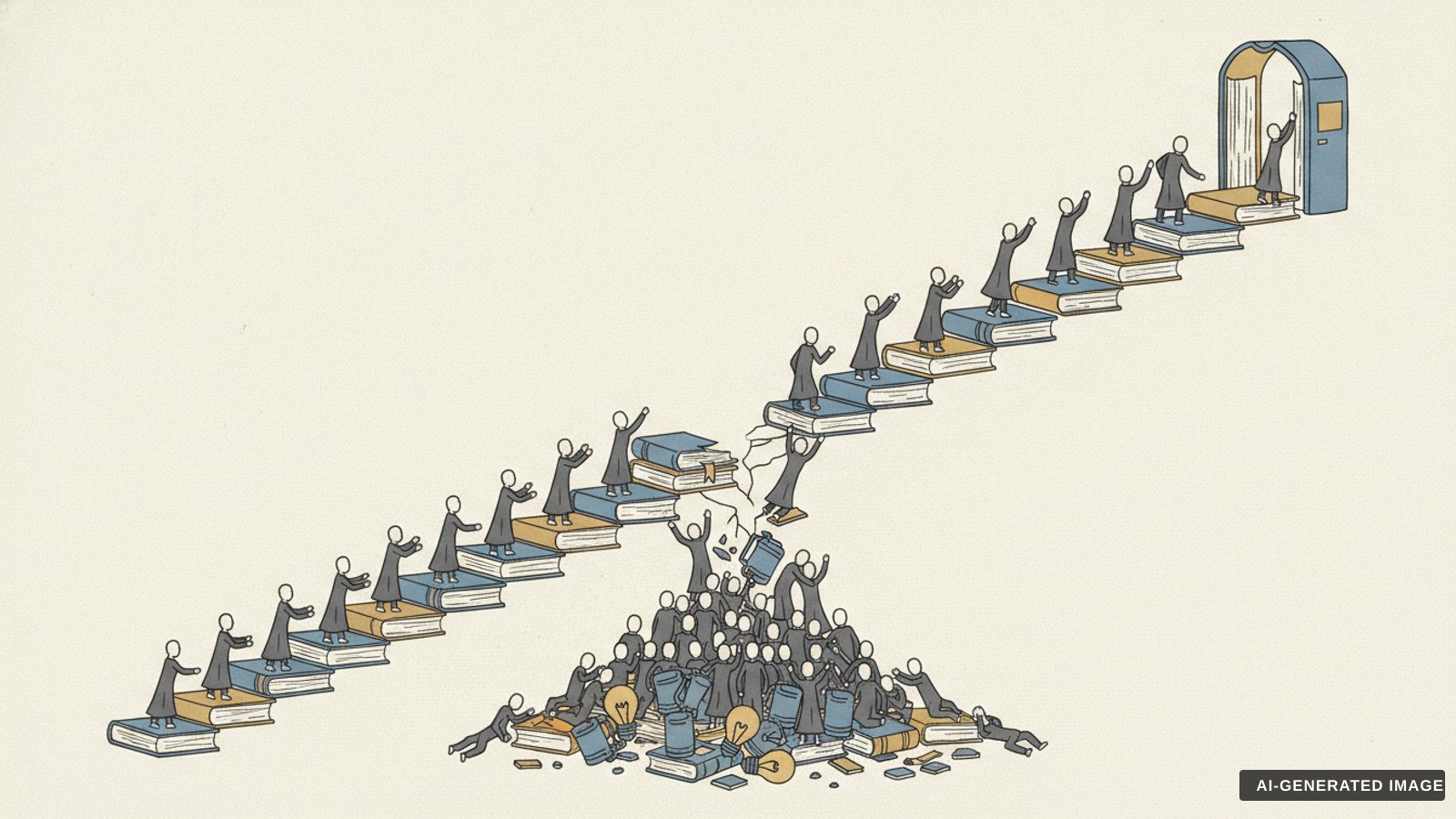
The number of people living in acute multidimensional poverty has risen for the first time since the measure was launched in 2010. It now stands at 1.2 billion, according to the 2026 update of the global Multidimensional Poverty Index (MPI). The United Nations Development Programme (UNDP) and the Oxford Poverty and Human Development Initiative (OPHI) at the University of Oxford published the update on 12 October 2026.
The index covers 108 countries in developing regions. They are home to 6.3 billion people, or 78% of the world’s population, and 18.9% of them are counted as poor. Comparing like with like, the total is 51.5 million higher than in the previous update, published in 2025.
“The rise in poverty should be a wake-up call for the world,” UNDP Administrator Alexander De Croo said in a statement. “Behind these figures are 1.2 billion people facing hardships that reinforce one another: hunger, missed schooling and a lack of clean water or electricity. This is unacceptable.”
What the index measures
The MPI does not measure income. It counts deprivations across 10 weighted indicators in three areas: health, education and standard of living. The indicators are nutrition, child mortality, years of schooling, school attendance, cooking fuel, sanitation, drinking water, electricity, housing and assets. A person counts as poor if they are deprived in at least a third of the weighted indicators.
The report classes 534 million people, or 44.6% of the poor, as severely poor. These people are deprived in half or more of the weighted indicators. It describes a further 952 million people as vulnerable: they face deprivations in several indicators but not enough to cross the poverty threshold.
Why the number rose
The 2025 tables counted 1,147.8 million poor people and the 2026 tables count 1,198.1 million. Namibia was in the 2025 index but was left out in 2026 under the survey recency policy, so the report puts the like-for-like increase at 51.5 million.
Part of the rise comes from population growth. In 95 countries with no new survey data this year, newer population figures added 15.8 million poor people while poverty rates stayed the same. The rest of the increase comes from 13 countries with new surveys. The report says this part reflects real changes in poverty rates, related population changes and differences in which indicators each survey covered.
Results in those 13 countries varied. In Egypt, Nepal and Tajikistan, both the poverty rate and the number of poor people fell significantly. Angola and Zambia also lowered their poverty rates, but population grew faster, so the number of poor people still rose. In Nigeria, poverty fell between 2018 and 2021 and then rose between 2021 and 2024. Over that later period 17.9 million more Nigerians became multidimensionally poor, the largest absolute increase the report records. The seven other countries showed no significant change.
Children and regions
Children under 18 make up 617 million, or 51.5%, of all poor people. The report says roughly one in three children is multidimensionally poor, compared with one in seven adults. According to UNDP, 83% of poor people live in rural areas.
Sub-Saharan Africa has both the highest poverty rate and the most poor people: 616 million, or 51.4% of the region’s population. That is more than all other regions combined. South Asia follows with 393 million.
Progress towards the 2030 target
Sustainable Development Goal target 1.2 asks countries to cut the share of people living in poverty in all its dimensions by at least half by 2030. Of the 89 countries with trend data, 33 halved their MPI value in fewer than 15 years. Six of them are in Sub-Saharan Africa.
In Eswatini, the share of people in multidimensional poverty fell from 38.7% to 8.0% over 15 years. China made the fastest reduction among countries with data, halving its MPI value in four years. Its poverty rate fell from 9.5% to 4.2% between 2010 and 2014. Viet Nam halved its MPI value within seven years.
“We know progress is possible,” Mr De Croo said. “Countries that have tackled these challenges together, rather than in isolation, have shown what determined action can achieve.” The press release did not set out specific policy measures.
Sources (4)
- Global multidimensional poverty rises for first time since 2010 (press release, 12 October 2026, accessed 12 October 2026), United Nations Development Programme, accessed12 October 2026primary
- 2026 Global Multidimensional Poverty Index: Statistical Update (report page and key findings, accessed 12 October 2026), UNDP Human Development Report Office, accessed12 October 2026official
- Global Multidimensional Poverty Index 2026: Statistical update (full report, PDF, accessed 12 October 2026), United Nations Development Programme and Oxford Poverty and Human Development Initiative, accessed12 October 2026study
- UN Development Chief Calls Poverty Rise Wake-Up Call (UN News story republished, accessed 12 October 2026), Mirage News / UN News, accessed12 October 2026media
Comments
Anyone can comment, no registration needed. Comments are reviewed by an automated system before publication. Replies from the newsroom are written by artificial intelligence and labelled as such. Comment rules.
- Loading comments…
More from this sectionWorld
France reports more than 1,800 arrests after cost-of-living protests turn violent
Interior Minister Laurent Nuñez says over 500 police, gendarmes and firefighters were hurt as looting and arson followed Saturday's marches
Deaths and injuries reported after fire at Canadian Forces Base Wainwright in Alberta
Canada's defence minister confirmed deaths and injuries after a fire at the Alberta base but gave no toll and no cause
Trump waives Graham Act sanctions and tariffs on Russia before they take effect
An executive order dated 16 October suspends 500% duties on Russian goods and penalties on buyers of Russian oil, citing US national interests