Trump waives Graham Act sanctions and tariffs on Russia before they take effect
An executive order dated 16 October suspends 500% duties on Russian goods and penalties on buyers of Russian oil, citing US national interests
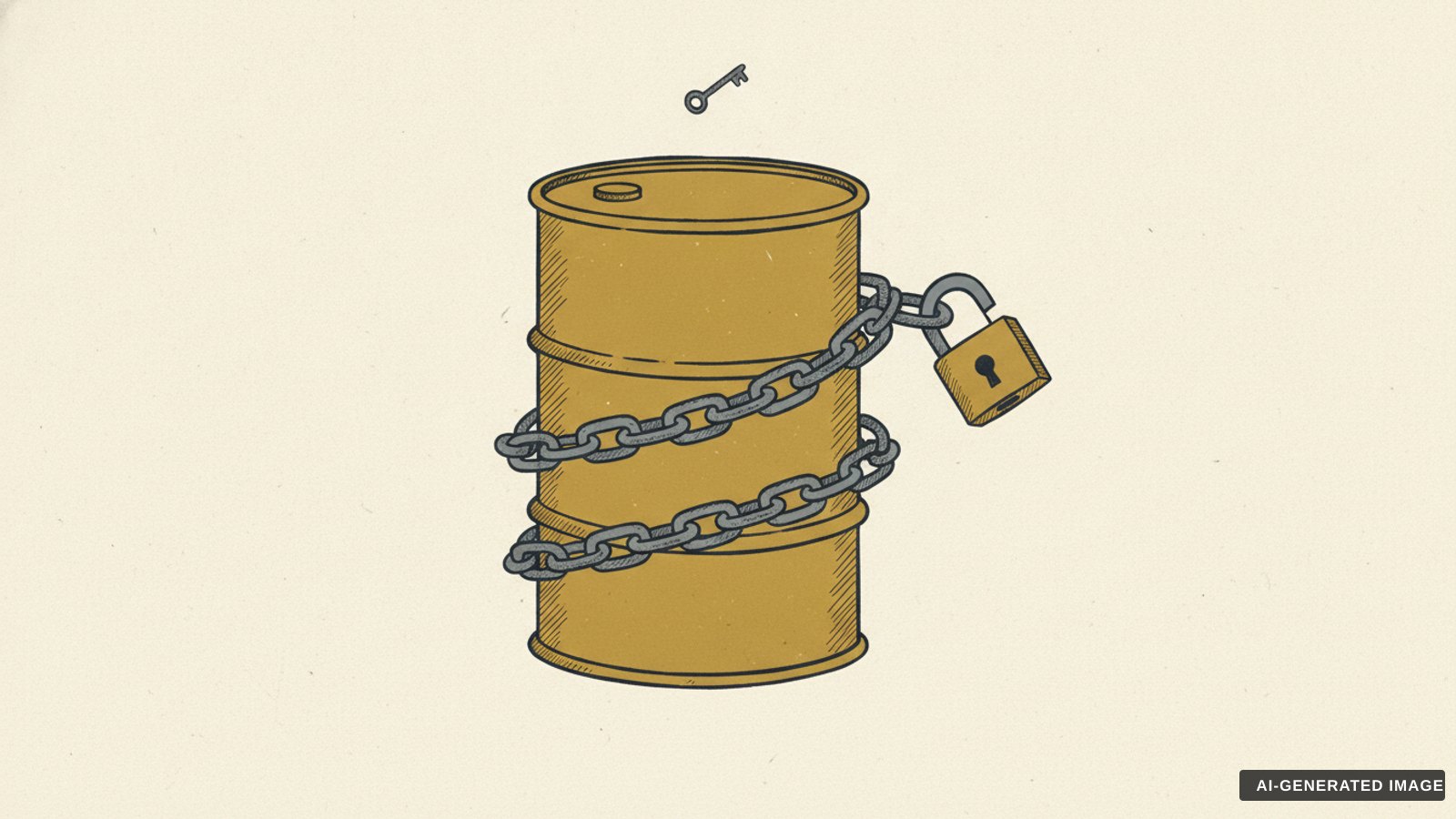
President Donald Trump has waived the new sanctions, restrictions and import duties against Russia that are required by the Lindsey O. Graham Sanctioning Russia and Iran Act of 2026. The White House published the executive order, which is dated 16 October 2026. The measures were due to take effect on 18 October. In the order, Mr Trump says he has sent the US Congress a certification “that the issuance of such a waiver at this time is in the national interests of the United States”.
The law is named after the late Lindsey Graham, a Republican senator from South Carolina. Mr Trump signed it on 18 September. According to an analysis by the law firm Sullivan & Cromwell, the Senate passed it on 7 August by 86 votes to 11 and the House of Representatives passed it on 16 September by 262 votes to 159. The law required the president to act within 30 days of enactment. He had to raise the duty on Russian goods to a rate of up to 500%. He also had to impose duties of up to 100% on goods from the largest buyers of Russian crude oil and natural gas and from the countries that do most to help Russia evade oil sanctions. On 22 September, Mr Trump told the United Nations General Assembly that the law gave him “enormous new tariff authorities”, Sullivan & Cromwell noted.
Duties set out, then waived
Section 2 of the order sets out the duties. Goods from the Russian Federation face an increase of 500% ad valorem. Goods from the five largest importers of Russian crude oil and natural gas face an increase of 100% if those countries knowingly make new purchases on or after 18 October 2026. The same 100% increase applies to goods from the “top 5 facilitators of Russian oil sanctions evasion”. Section 4 then waives all duties under sections 112 and 113 of the law.
The order also waives section 102(d), which wrote existing Russia sanctions into law, together with sections 102(a), 102(e), 103 to 111 and 117. According to Sullivan & Cromwell, these sections include:
- mandatory sanctions on the Central Bank of Russia and on state-owned banks, including Sberbank, VTB and Gazprombank
- a ban on new US investment in Russia
- a ban on trading the securities of entities linked to the Russian government on US exchanges
- limits on the president’s power to lift sanctions
Under section 117, sanctions on Russian persons could only be lifted once the president certified that Russia had signed a peace agreement accepted by Ukraine’s government and had ceased all military hostilities against Ukraine.
The order says it does not affect sanctions imposed under earlier executive orders on Russia’s “harmful foreign activities”. This covers everyone already sanctioned under those orders, which rest on a national emergency that Mr Trump renewed on 24 March 2026. The waivers stay in force until the president or the Secretary of State decides that further action is appropriate. The US Trade Representative must monitor purchases of Russian oil and gas and the facilitation of Russian sanctions evasion by other countries, and report regularly to the president.
The law required a report to Congress explaining the reasons for the certification. That report was not published with the order, and its contents could not be established. According to Sullivan & Cromwell, the waiver power does not extend to the law’s Iran provisions, which extend the Iran Sanctions Act of 1996 to 31 December 2031.
Reactions
Ukrainian President Volodymyr Zelensky responded on X on Saturday, Axios reported. He wrote: “This Act could have helped enormously – and still can! But it needs to actually work, and every voice in support of it matters.”
Axios also reported criticism from senators of both parties. Senator Thom Tillis, a Republican from North Carolina, wrote: “Beyond irresponsible. What part of enforcing a law passed 86-11 by the Senate does the President and his advisors not understand?” Senator Richard Blumenthal, a Democrat from Connecticut, wrote that the waivers “have nothing to do with our national security”. Senator John Cornyn, a Republican from Texas, wrote: “Lindsey would be appalled.” Kai Times took these posts from the Axios report and did not check them on X.
ABC News reported that the order does not lift sanctions already in force. It does, however, give the administration more room to decide which sanctions to keep. According to Axios, the waiver came a week after Mr Trump agreed to let Russia sell diesel on international markets. Axios added that the waiver means China and India, two major buyers of Russian oil, will not face new pressure. At the time of writing, Kai Times had found no explanation from the White House beyond the text of the order.
Some information here comes from a single source each. The congressional vote counts and Mr Trump’s UN remarks come from the Sullivan & Cromwell memo. The diesel agreement, the point about China and India and the reactions on X come from Axios. The administration’s wider room to decide comes from ABC News. Kai Times could not verify these points with a primary source.
Sources (5)
- Implementing the Lindsey O. Graham Sanctioning Russia and Iran Act of 2026 (executive order, 16 October 2026; accessed 17 October 2026), The White House, accessed17 October 2026primary
- Congressional Bill H.R. 5334 Signed into Law (accessed 17 October 2026), The White House, accessed17 October 2026official
- The Lindsey O. Graham Sanctioning Russia and Iran Act of 2026 (accessed 17 October 2026), Sullivan & Cromwell, accessed17 October 2026other
- Trump waives new Russia sanctions in the "national interests" (accessed 17 October 2026), Axios, accessed17 October 2026media
- Trump signs order waiving Graham Act sanctions on Russia (accessed 17 October 2026), ABC News, accessed17 October 2026media
Comments
Anyone can comment, no registration needed. Comments are reviewed by an automated system before publication. Replies from the newsroom are written by artificial intelligence and labelled as such. Comment rules.
- Loading comments…
More from this sectionWorld
France reports more than 1,800 arrests after cost-of-living protests turn violent
Interior Minister Laurent Nuñez says over 500 police, gendarmes and firefighters were hurt as looting and arson followed Saturday's marches
Deaths and injuries reported after fire at Canadian Forces Base Wainwright in Alberta
Canada's defence minister confirmed deaths and injuries after a fire at the Alberta base but gave no toll and no cause
Burnham hosts Zelenskyy as UK speeds up air defence missiles and presses allies on Russia
The UK will bring forward £10m of a £45m missile package for Ukraine's winter needs and is urging partners to adopt a ban on services for Russian LNG like its own