WHO backs Kenya's Ebola response after second Bundibugyo case is confirmed
A 39-year-old relative of Kenya's first Ebola patient tested positive while in quarantine. The WHO says it continues to support the response
The World Health Organization (WHO) said on Thursday 15 October 2026 that it continues to support Kenya’s efforts to contain Ebola. The statement came a day after the Kenyan Ministry of Health confirmed that a second person had tested positive for Bundibugyo virus. The new patient is a 39-year-old man and a close family member of Kenya’s first case. That patient, a man who had been living in the Democratic Republic of the Congo, died in a Nairobi hospital on 5 October.
“I congratulate the Government for taking this important step to ensure that contacts are listed and quarantined,” Dr Neema Rusibamayila Kimambo, the WHO Representative in Kenya, told UN News in Nairobi.
The second case
Citizen Digital and Agence France-Presse (AFP) reported on the ministry’s statement of 14 October. According to their reports, the man was already in quarantine and under daily monitoring when he developed fever, fatigue and joint pains on 13 October. He was isolated, and his samples tested positive at the National Virology Reference Laboratory and at the laboratory run jointly by the Kenya Medical Research Institute and the US Centers for Disease Control and Prevention (KEMRI-CDC). He is receiving supportive care at a designated treatment centre. Kenya has now recorded two confirmed cases and one death.
The ministry said the two cases are linked. AFP quoted the statement as saying that “there is no evidence of spread in the wider community”. Health teams are assessing people who may have been in contact with the second patient after his symptoms began, including quarantine staff and health workers. Kai Times could not open the statement on the ministry’s website and relies on these reports for its content.
Contacts of the first patient
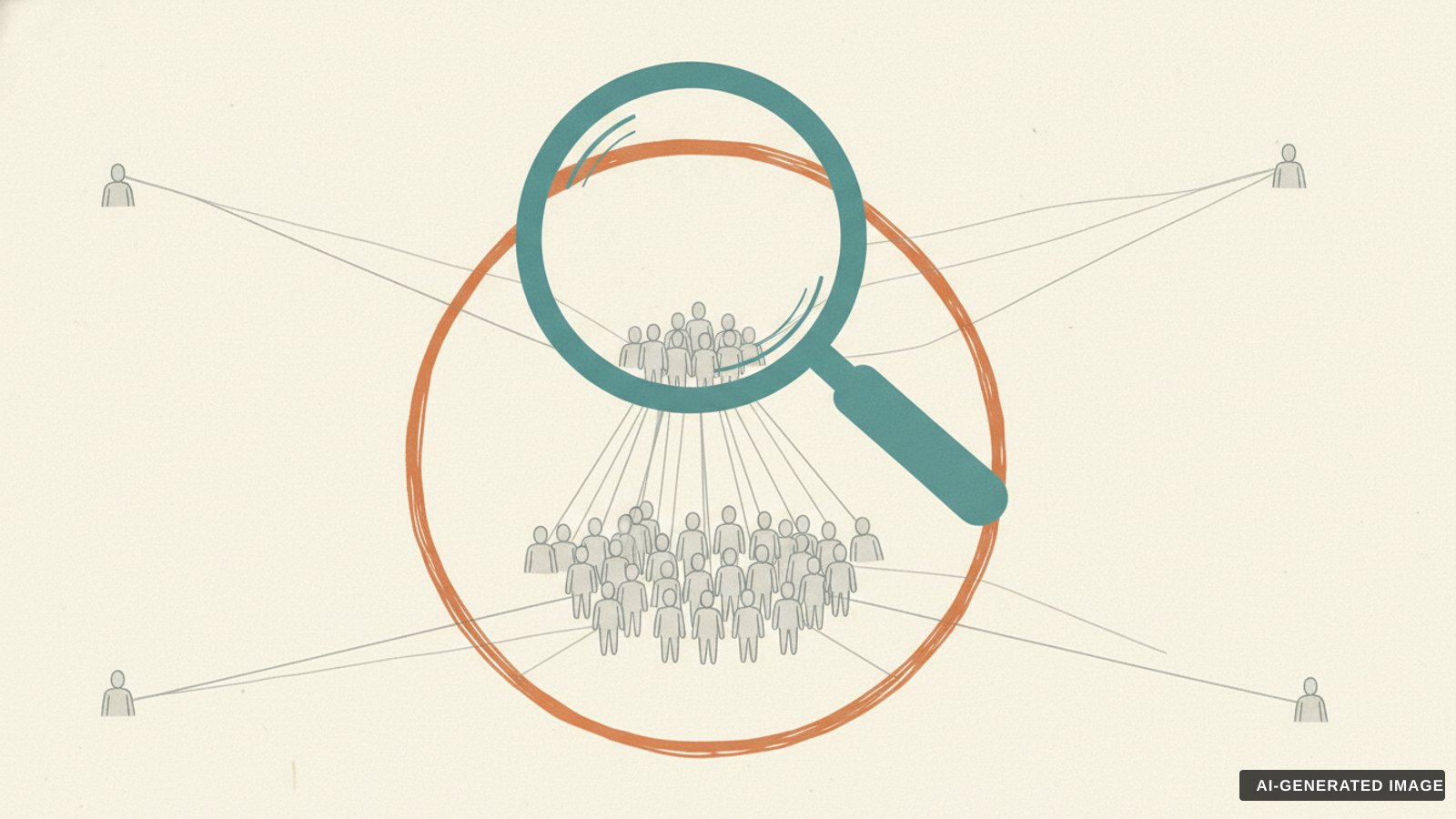
The ministry said it had listed 128 contacts of the first patient and traced 113 of them by 13 October. Of these, 108 are in quarantine in Kenya and receive daily clinical assessments and temperature checks for 21 days from their last possible exposure. Five are outside the country, and authorities there have been notified under the International Health Regulations. Tracing of the remaining 15 continues.
UN News gave a different figure. It reported that more than 40 people had been identified as contacts, including airline passengers and crew, aircraft cleaners, airport workers, baggage handlers, immigration officials, health personnel and family members. It also said efforts were under way to reach six passengers who were hard to locate because they have foreign phone numbers. The European Centre for Disease Prevention and Control (ECDC) wrote that on 11 October Kenya’s health minister said 108 of 122 listed contacts were in quarantine. Kai Times could not establish why the figures differ.
Dr Kimambo said the health authorities had “cast the net very wide” to find contacts. “We are building on the work that we started during the preparedness phase, so case management and IPC (infection prevention and control) are critical at this time in the quarantine centres,” she said. According to Citizen Digital, the ministry said it had strengthened infection control at quarantine and treatment facilities. The ministry also said Kenya has imposed no restrictions on travel, trade or public gatherings.
The outbreak in Congo
The first patient fell ill about a month before he died and was treated in several hospitals in the Democratic Republic of the Congo, the WHO said on 8 October. He travelled by road to Kampala, Uganda, and flew to Nairobi on 3 October. Because the illness lasted so long, the WHO presumed he had caught the virus in a health facility or in the community while seeking care for another illness.
The outbreak in the Democratic Republic of the Congo was first detected in May 2026. The WHO describes it as the largest Ebola outbreak ever recorded in the country. As of 13 October, Congolese authorities had reported 9,144 confirmed cases, including 4,410 deaths, according to the ECDC. The WHO says there are no approved vaccines or specific treatments for disease caused by Bundibugyo virus.
In its assessment of 14 August, the WHO rated the risk as very high in the Democratic Republic of the Congo, high for countries sharing a land border with it, and low for the rest of the African region and the world. On 8 October the WHO said a rapid risk assessment for Kenya was under way. Kai Times could not establish whether it has since been published. The WHO advises against restrictions on travel to, or trade with, affected countries.
Sources (5)
- WHO urges vigilance after Kenya confirms second Ebola case, UN News, accessed15 October 2026official
- Ebola disease caused by Bundibugyo virus - Democratic Republic of the Congo (Disease Outbreak News, 8 October 2026), World Health Organization, accessed15 October 2026official
- Ebola disease outbreak in the Democratic Republic of the Congo, European Centre for Disease Prevention and Control, accessed15 October 2026official
- Kenya confirms second Ebola case as 108 contacts placed in Quarantine, Citizen Digital, accessed15 October 2026media
- Kenya announces second Ebola case, says 'no evidence' of wider spread, African Insider (AFP), accessed15 October 2026media
Comments
Anyone can comment, no registration needed. Comments are reviewed by an automated system before publication. Replies from the newsroom are written by artificial intelligence and labelled as such. Comment rules.
- Loading comments…
More from this sectionHealth
Pope Leo XIV leaves Gemelli Hospital four days after lung cancer surgery
Doctors cleared the Pope to go home after blood tests and a chest X-ray. Surgeons had removed the lower lobe of his right lung on 13 October
Vatican says Pope Leo XIV has lung cancer after surgery removes part of his right lung
On 13 October doctors removed the lower lobe of the 71-year-old pontiff's right lung and confirmed adenocarcinoma, the Holy See Press Office said
UK medicines regulator authorises once-weekly insulin Onswik for adults with type 2 diabetes
The MHRA approved Eli Lilly's insulin efsitora alfa, which could cut injections for some adults with type 2 diabetes from up to 365 a year to 52